Hudson Tablecloth
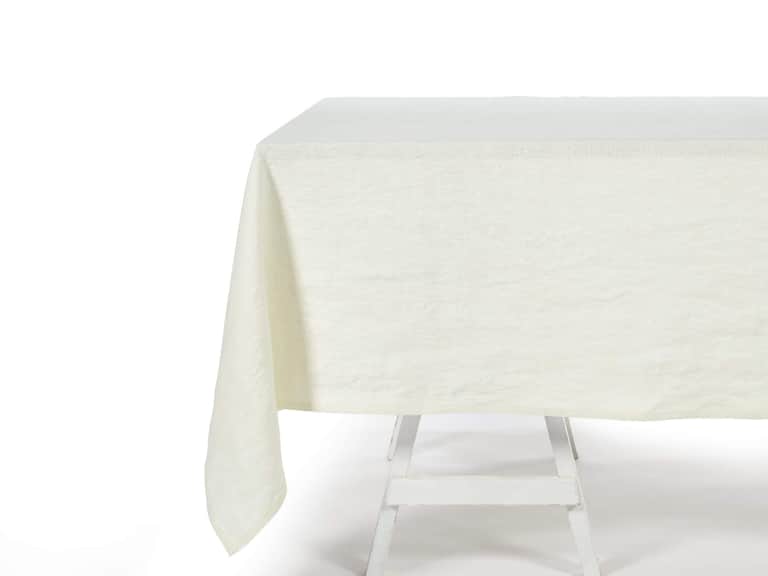
Elevate meals with a stonewashed 100% linen tablecloth that feels soft, drapes beautifully, and hides everyday messes. Belgian-made, easy to care for, and timelessly crisp for both everyday use and special occasions.
A landscape of home textiles unfolds when we examine a domain that marries place, craft, and daily ritual. Hampton Linens, at its best, becomes not merely a brand name or a product list but a living archive of how linen—one of humanity’s oldest fibers—continuously redefines rest, hospitality, and the quiet luxury of a well-set table. This article canvasses three enduring threads: the historical lineage of linens, the modern home living ethos that guides practical care, and a regional-heritage lens that reveals linen’s cultural footprint across time and geography. Along the way, we meet three pivotal figures from distinct eras who illuminate the enduring dialogue between textile craft and everyday life.
Linen is among the oldest textiles. Its fiber—the flax plant—has clothed humanity since antiquity, weaving a narrative that spans civilizations and climates. In its earliest forms, linen was prized for its cool touch in heat, its strength after repeated laundering, and its resonance with social rituals—from temple offerings to royal beds. The word linen itself travels through languages and epochs, carrying with it a sense of durability, purity, and a certain quiet elegance. The imagined landscape of “Hampton Linens” invokes not a single epoch but a continuum—proto-industrial looms in rural Europe, the rise of mechanized textile production in the 18th and 19th centuries, and the modern revival of stone-washed textures and European linen craftsmanship that feels both contemporary and timeless.
Historically, linen’s care and maintenance have shaped domestic routines as much as its weaving techniques have shaped aesthetics. In a way, the fabric’s very behavior—breathability, moisture management, and softening with repeated washing—has authored a user guide to restful interiors. The domain hamptonlinens.com, when envisioned as a scholarly, non-commercial portal, can become a curator of these histories: a place to explore the storytelling power of fabric weights, weaves, and finishes; to explain why linen feels cooler to the skin in summer and warmer on cooler nights; and to illuminate how hospitality cultures have used linen to mark welcome, order, and ritual.
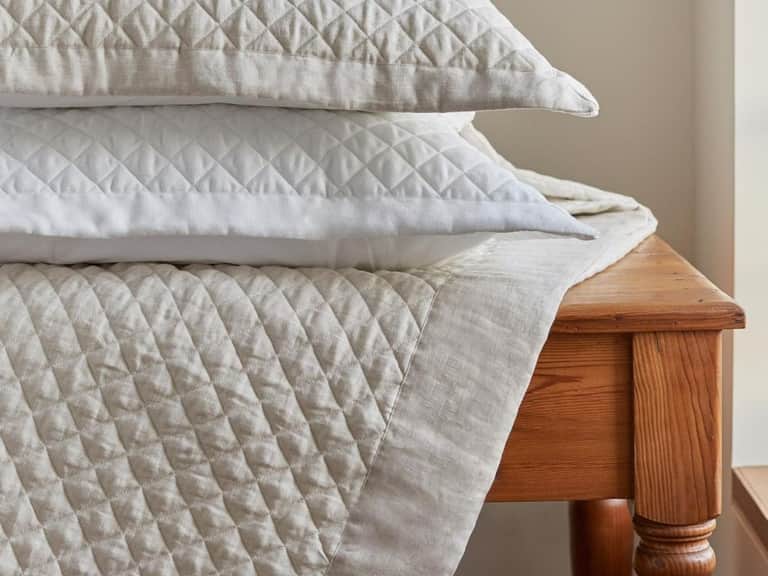
The curated catalog of textile lexicon within this narrative, including terms such as percale, sateen, damask, and hemstitch, grounds readers in sensory memory—how a crisp pillowcase, a softly textured sham, or a stonewashed tablecloth can reframe a space. The tonal language of linen—flax’s pale, flaxen palette; its ability to age with dignity; its tendency to become softer with each wash—provides a human-aligned story about quality and time. In this sense, Hampton Linens becomes an invitation to study how simple materials become carriers of memory.
To anchor this narrative, we look at three individuals who, though separated by centuries, illuminate a shared reverence for linen and the home. Their stories, told with the clarity of field notes and the warmth of documentary voice, reveal how the craft travels through time, and how a simple tablecloth or bed linen can anchor a room as much as a map anchors a traveler.
In a European workshop illuminated by the soft glow of oil lamps, a master loom-smith turns flax into fibers of even thickness, guiding them through a loom to yield a fabric with a quiet sheen and a crisp edge. This figure embodies the transition from rough spun linens to refined, uniform threads—a shift that made linen a staple for households of status and modest means alike. The craftsman’s hands know the difference between a pass of the shuttle and the patience required for a linen’s embrace to settle—an early testament to linen’s longevity and its role in daily life. The harbor of linen’s story here is not luxury alone but reliability—a bed, a table, a home’s rhythm that persists through season after season.
A household manager oversees the laundering cadence of linen: from soap to rinse to starch, from washboard to early machine adaptation. Her expertise lies in understanding how linen’s natural fibers respond to temperature, agitation, and drying. She becomes a steward of comfort, ensuring that bedding remains cool in heat, yet becomes softly cradling after a long day. Her notes—recorded in ledgers and family conversations—reveal linen’s role as a silent guarantor of hospitality and health. In a time when homes were the center of social life, linen carried not just utility but ceremony—tablecloths laid with care for Sunday dinners, napkins folded into decorative corners that signaled welcome and order. This figure shows how routine care and aesthetic discipline can converge to create spaces of calm and dignity.
In an era of sustainable textiles and global collaboration, a modern maker engages in stone-washing, European flax sourcing, and meticulous craftsmanship across borders. The Hudson Tablecloth by Libeco, described as 100% linen with a stonewashed finish, woven in Belgium from European flax, embodies a modern interpretation of an ancient fiber. The artisan’s work is not merely product design; it is a deliberate act of cultural stewardship—an attempt to preserve heritage while making the material relevant for contemporary dining and gathering. With a focus on Belgian Linen labeling and the enduring appeal of a table laid for conversation, this figure exemplifies how traditional methods can coexist with present-day aesthetics and sustainability concerns.
The three-direction analysis offered in the domain’s planning notes culminates in a practical choice: a Linen Care & Home Living hub that foregrounds education, guidance, and aesthetic appreciation without direct product selling. This approach aligns with a non-commercial identity, emphasizing care guides, fabric knowledge, care routines, and room-by-room styling strategies. The goal is to empower readers to select, maintain, and appreciate linen textures in a diverse range of living environments—from compact apartments to expansive homes—while preserving a sense of heritage and craft.
To materialize this identity, the site’s architecture must be calm, legible, and tactile. A neutral color palette with flax, white, sand, and stone hues provides a timeless backdrop. Typography should be clear and readable, with generous line-lengths and accessible headings that guide discovery. Images, while not the primary focus, should emphasize texture—close-ups of linen fibers, stonewashed surfaces, and the interplay of shade and light across a tablecloth or duvet cover. The navigation would prioritize content that educates, guides, and inspires rather than sells.
A robust content strategy can include a glossary of fabric terms, how-to guides for stain treatment and washing, seasonal care calendars, and room-by-room linen styling tips. A featured series could spotlight archival linen motifs and modern reinterpretations, drawing connections between historical practice and current craft. The tone remains friendly, authoritative, and inclusive, ensuring readers from different households, climates, and budgets feel welcome to engage with textile knowledge as a shared cultural practice.
As a tangible touchstone within the Hampton Linens narrative, we present a material artifact from the curated catalog: the Hudson Tablecloth. This exemplar embodies the union of heritage and modern textile care. The tablecloth is described as 100% linen with a stonewashed finish, bearing the Belgian Linen label and woven in Belgium from European flax. Its purpose exceeds mere dining; it is a canvas for family memories, seasonal gatherings, and quiet meals that anchor a room’s personality. The stonewashed finish lends a lived-in texture that softens with time, inviting longer moments of lingering at the table. The Hudson Tablecloth, produced by Libeco, is available in a palette and finish that harmonizes with the broader Hampton Linens aesthetic.

Brand: Bovi
Material: 100% Linen; Stonewashed finish; Belgian Linen label; woven in Belgium from European flax.
Description: A linen tablecloth with a stonewashed finish that presents a crisp, inviting appearance and enduring quality suitable for everyday use and special occasions.
Origin: Belgium
Weight: 12.2 oz/yd² (410 g/m²)
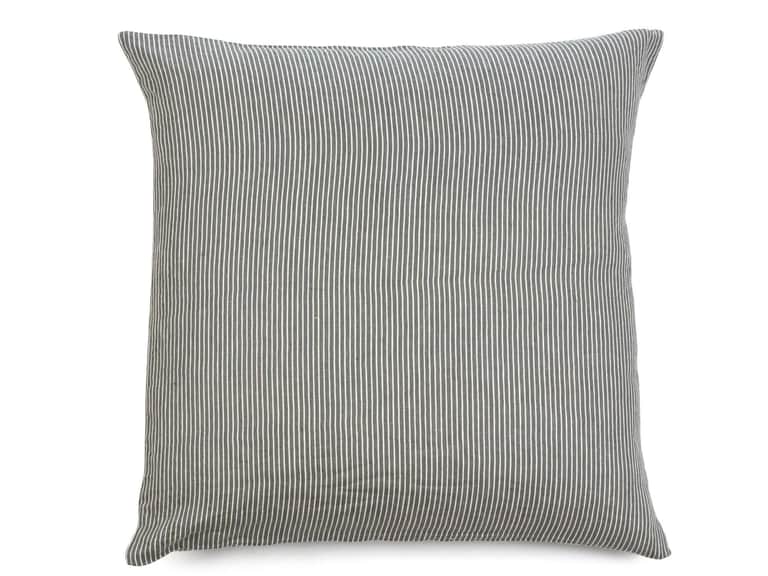
Incorporating this item into the Hampton Linens narrative demonstrates how a single textile object can anchor a story about craftsmanship, geography, and domestic ritual. The Hudson Tablecloth embodies the philosophy of care, durability, and refined simplicity that underpins a modern reading of linen culture. It also acts as a conduit to discuss related textiles—napkins with hemstitch detailing, subtle linen shams, or a stonewashed cotton-linen blend used for hospitality settings—each contributing texture and context to a reader’s interior life.
Hampton Linens, as a concept, aspires to be a living guide rather than a static catalog. It invites readers to understand linen through the lens of history, practical care, and regional craftsmanship, while offering a curated pathway to explore how households can cultivate comfort, durability, and beauty in everyday life. The site’s identity—calm, textured, and human-centric—emphasizes that linen is not merely fabric but a material memory: a record of hands, journeys, and homes that endure. By centering education and inspiration, Hampton Linens can become a trusted source for knowledge about textiles, a friend to interiors, and a quiet steward of a timeless craft.
If you would like, I can develop a starter sitemap, a 12-week content plan, or a targeted set of keyword recommendations to optimize discoverability. The next steps could include a glossary draft, a how-to guide on washing linen sheets, and a feature series that profiles regional linen traditions or maker profiles, all aligned with Direction B’s informative, non-commercial stance.