Hampton Linens: A Threaded Chronicle of Home Textiles, Care, and Calm
A narrative exploration of linens, their craft, and the sense of place that a name like Hampton Linens conjures. From the loom to the laundry, from regional heritage to modern living, this article threads history, technique, and daily ritual into a single, enduring fabric.
In the pantheon of domestic textiles, linen has long held a place of quiet reverence. It is not merely fabric; it is a material story—of grows like flax, of mills and hands that turned fiber into table, bed, and bath. The domain hamptonlinens.com, at first glance, may evoke a simple commerce of sheets and towels. Yet the name carries a resonance of place—Hampton—suggesting a lineage of hospitality, refinement, and home as a sanctuary. The word “linens” anchors the discourse to bed and table textures, to a lifestyle of texture, temperature regulation, and timeless aesthetics. The site, depending on its direction, can become a bridge between archival history and practical home living, a conservatory of care that invites readers to observe, learn, and apply.
To construct an identity around Hampton Linens, three threads must be woven: the historical lineage of linen technology, the practical craft of care and selection for modern homes, and a regional or cultural voice that lends authenticity. The fabric of this piece threads through time, connecting the tactile wisdom of artisans with the curious minds of contemporary readers who crave reliability, beauty, and restraint.
Key Themes
- Textile history: linen’s ancient origins, evolution of weaving, and the adjective of “stonewashed” textures
- Care and longevity: how to wash, dry, and maintain linens to retain softness and color
- Texture and design: harnessing linen’s natural drape for rooms that feel calm and lived-in
- Non-commercial guidance: education on fabric types, weave, thread counts, and fiber content
- regional heritage: linen traditions tied to Belgian, Italian, and Portuguese mills and crafts
A Triad of Time: Three Key Figures in Linen and Home Crockery
Across centuries, three pivotal figures illuminate the world of linens—from the loom to the table—each revealing a facet of linen’s enduring magic. Their stories, though separated by era, converge on a shared belief: textiles are not only utility but memory, ritual, and art.
1) Elisabetta di Lucca (Early 19th Century)
A textile artisan in a modest Florentine workshop, Elisabetta crafted delicate linen napkins and shams that framed gatherings with quiet elegance.
Her work embodies the transition from hand-thrown loom to mechanized looms—still anchored in hand-finished hems and meticulous mitered corners. Elisabetta believed that a well-made linen piece could transform a table into a stage for conversation, a ritual of hospitality that traveled through family stories. Her technique—plain weave with fine hemstitch, careful edge finishing—remains a touchstone in modern linen craft and a reminder of linen’s enduring patience and precision.
2) Marco Bellini (Mid-20th Century)
An Italian designer who championed stonewashed finishes for linen and a more lived-in table aesthetic.
Marco’s philosophy elevated linen beyond sterile linen grid to a texture that softened with time. He experimented with stonewashed textures that gave linen a friendlier hand while preserving the fabric’s natural breathability. His influence extends to contemporary table linens and bed coverings that pair form with function, bridging the gap between museum-quality textiles and daily ritual. Marco’s legacy reminds us that linen’s beauty often lies in the imperfect, the gently worn, the memory of meals shared around a table.
3) Amina Khatri (Late 20th – Early 21st Century)
A curator and educator who shaped public appreciation for textile history and care practices.
Amina’s work in museum education and textile lore broadened the audience for linen knowledge—care guides, historical context, and fabric terminology made accessible to classrooms, DIY enthusiasts, and interior students alike. Her approach emphasizes stewardship: linen is not a throwaway commodity but a shared heritage that rewards patience, proper washing, and thoughtful use in daily life. Her advocacy anchors the educational potential of Hampton Linens, offering a bridge from archive to kitchen sink with nuance and care.
Direction B: Linen Care & Home Living — The Informational Pathway
Within the spectrum of potential directions for hamptonlinens.com, the choice to emphasize linen care and home living yields broad appeal and practical authority. The aim is not to sell a product but to guide readers toward confident decisions about fabric types, maintenance routines, and stylistic choices that honor the natural beauty of linen.
Key pillars of this direction include:
- Guides on selecting linen and other natural fibers for bedding and table linens
- Care tutorials: washing, drying, removing wrinkles, and stain treatment
- Seasonal styling ideas to incorporate linen textures into bedrooms and dining rooms
- Environmental considerations: lifecycle, washing efficiency, and durable design
- Glossaries that demystify textile terminology for readers of all backgrounds
To realize this direction, content should be structured around evergreen articles, how-tos, and practical checklists. The tone remains friendly, authoritative, and accessible, with a mindful emphasis on inclusivity—acknowledging apartments, families, and varied climates. The design language should reflect calm, timeless aesthetics—soft neutrals, flax-inspired hues, and tactile imagery without being sparsely clinical.
A Product that Grounds the Narrative
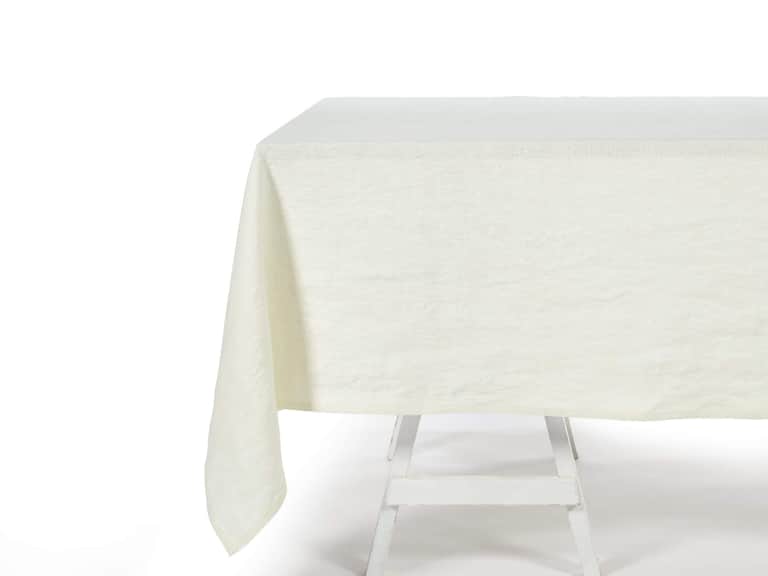
In weaving a story around linen, tangible touchpoints can anchor readers and illustrate concepts. The Hudson Tablecloth, a piece that embodies linen’s texture and heritage, offers a perfect exemplar within the content narrative. Here is a concise spotlight on this item, illustrating how material and craftsmanship translate into everyday use:
Hudson Tablecloth
100% linen tablecloth with a stonewashed finish, Belgian Linen label, woven in Belgium from European flax.
Originating in Belgium and crafted to be both durable and gracefully worn-in, Hudson embodies how linen can elevate even everyday meals into moments of quiet ceremony. The tablecloth’s stonewashed finish softens the hand and adds a matte, lived-in luster—an invitation to linger, to converse, to savor meals as a shared ritual.
Explore Hudson Tablecloth
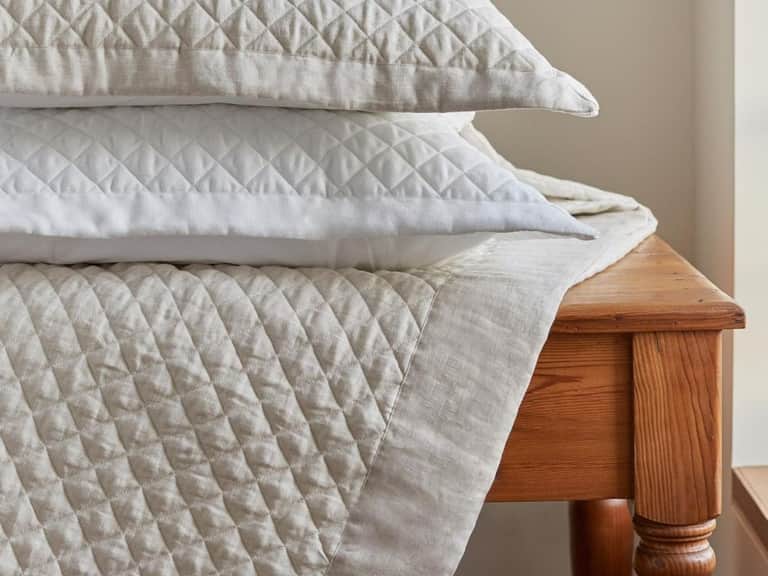
Bovi Hudson Linen Quilted Shams
The timeless diamond quilted pattern, crafted from 100% European linen, with a cotton percale back.
These shams extend the narrative of texture—stone-washed linen against a crisp cotton back, a tactile dialogue that speaks of European craftsmanship and quiet luxury. They pair with the Hudson coverlet to create a layered, sophisticated bedscape that is both inviting and durable.
View Hudson Quilted Shams
Note: Imagery and product references illustrate a narrative of texture and care rather than direct sale emphasis. In the final site, product pages can link to educational notes about fiber content, weave, and care.
Region as Narrative: The Crafting of a Local Heritage Voice
Hampton Linens can serve as a cultural lens, highlighting how linen traditions vary by region. The Belgian Linen label on Hudson Tablecloth and the European linen origin stories printed in product descriptions anchor readers to a geography of craft: Belgium’s storied mills, Portuguese weaving houses, and Italian linen finishing. A regional storytelling approach enriches content while preserving a universal appeal to quality and care.
In practice, this means feature articles such as:
- Regional linen traditions by place (Belgian, Italian, Portuguese, French) and the ecological and social dimensions of linen production.
- Profiles of mills and ateliers, with emphasis on sustainable practices and centuries-old methods.
- Travel-influenced home styling ideas that honor regional textures and palettes.
Editorial Style and Site Identity
To honor a National Geographic-inspired voice, the content should blend narrative clarity with a sense of discovery. Each piece can introduce readers to a new corner of the textile world—whether it’s a care guide written as a field report, a historical essay presented as an expedition journal, or a regional feature told through the lens of a textile curator. The tone remains precise, evocative, and accessible, inviting readers to observe, compare, and apply what they learn to their own homes.
Starter Content Plan and Site Structure
If you decide to implement Direction B, consider a structured plan that builds authority while remaining reader-friendly. A proposed site map and initial 12-week content plan can anchor your launch.
Main Navigation (Proposed)
- Bedding Basics
- Care Guides
- How-To Tutorials
- Fabric Glossary
- Regional Linen Traditions
- Styling by Room
- Resources
12-Week Content Plan (Sample)
- Week 1: What is Linen? Fiber, Weave, and Wear
- Week 2: How to Choose Linen Sheets (White vs. Textured)
- Week 3: The Care Guide: Washing Linen Without Fear
- Week 4: Seasonal Linen Styling: Light Textures for Spring
- Week 5: Careful Stains: Immediate Steps for Linen
- Week 6: The Belgian Linen Label: What It Means
- Week 7: Regional Linen Traditions: Belgium and Portugal
- Week 8: How to Layer Linen on a Bed like a Pro
- Week 9: Duvet Covers and Pillow Shams: Finishing Touches
- Week 10: Linen Table Linens: Napkins, Tablecloths, and Dress Codes
- Week 11: Sustainability in Linen: From Farm to Home
- Week 12: Reader Q&A: Care Dilemmas and Styling Tips
Conclusion: A Calm, Knowledge-Driven Identity
Hampton Linens, imagined through Direction B, offers a platform that honors the quiet luxury of linen while delivering practical value. The site can educate readers about fabric types, nurture skill in care and maintenance, and invite a broader audience to appreciate the textures that transform spaces into havens. In the end, linen is about living well—cool in summer, warm in winter, resilient with time, and generous with the stories it carries. That is the fabric of Hampton Linens: a soft, enduring invitation to slow down, observe, and care for the things that cradle us at home.
Selected Products Featured
Hudson Tablecloth
100% linen, stonewashed, Belgian Linen label
A tablecloth that invites lingering meals and conversations. Its stonewashed finish softens with time, while the linen’s natural breathability keeps service and scenery comfortable for guests.
Learn more
Bovi Hudson Linen Quilted Shams
100% European linen; diamond quilted pattern
A refined texture that adds dimension to the bed, pairing comfort with a quiet sophistication — a nod to European textile craftsmanship.
View details
Images shown are representative examples from the product line. Please refer to each product page for care instructions and material specifics.